

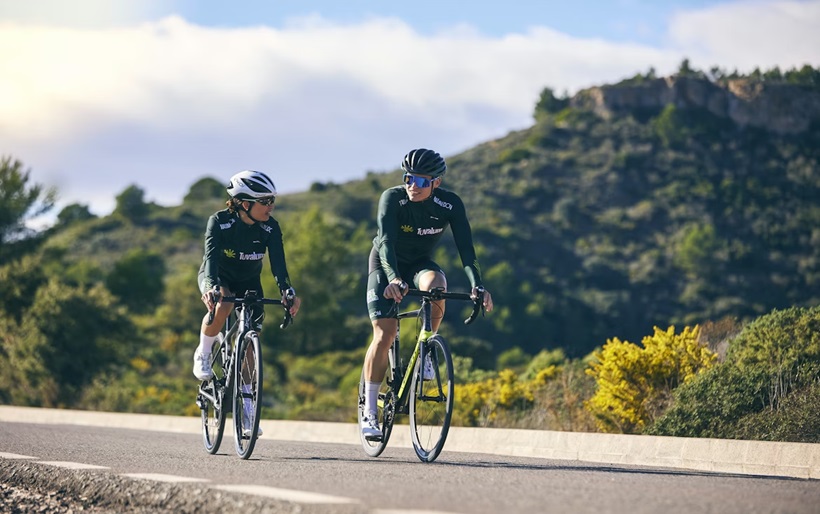
Starting out as a cyclist feels exciting, but also slightly overwhelming. There is so much gear on the market that it can be hard to know what genuinely matters. The good news is that new riders do not need a mountain of equipment to feel comfortable and safe. A few well chosen essentials can make every ride more enjoyable, help you build confidence and set the foundation for steady progress.
Before anything else, think about the kind of riding you will do. Short weekend spins, commuting through town or longer countryside routes each place different demands on your kit. Even so, there are some universal basics that support you whatever your style or level. The items below focus on comfort, safety and practicality, which are the pillars of a positive early experience on the bike.
Choosing a bike that suits you
The bike itself is obviously the biggest decision. For beginners, the goal is not to buy the most technical machine, but one that fits properly and feels manageable. A poorly fitted bike, even an expensive one, can make riding uncomfortable and reduce your motivation to keep going.
A good local shop can measure you and adjust the frame, handlebars and saddle height. If you feel stable, relaxed and able to place your weight evenly through your hands, feet and hips, you are on the right track. For most beginners, a versatile hybrid bike works well because it offers an upright position and reliable handling. Road bikes provide more speed but require a more forward posture that can take time to adapt to. Mountain bikes are solid and confidence building, though their chunky tyres and heavier frames can feel slower on tarmac.
Whatever you choose, remember that comfort translates into consistency. If you look forward to getting on the bike, you will ride more often, build your skills and enjoy yourself far more.
Clothing and accessories that make a difference
Cycling clothing can look technical, but beginners only need a few items to stay comfortable. A pair of padded shorts is one of the best early investments because it reduces pressure and helps prevent soreness on longer rides. You can wear them under your normal clothes if you prefer not to commit to a full cycling outfit yet.
A lightweight, breathable top will help regulate your temperature. Look for materials that wick moisture and avoid anything too heavy or restrictive. In unpredictable British weather, a compact waterproof jacket that folds into a small pocket is incredibly useful. It keeps the wind off, adds warmth when the temperature drops and protects you from sudden showers.
Footwear matters more than people think. While you do not need specialist clip-in shoes straightaway, a pair of sturdy trainers with a firm sole gives you better control of the pedals. As you gain confidence, you can consider more advanced options.
Eye protection is often overlooked by new cyclists, but it should not be. A good pair of cycling sunglasses shields your eyes from glare, dust, wind and insects. Clear or low-light lenses are ideal for cloudy days and early mornings, while darker tints help in bright sunshine. A wraparound shape gives you full coverage and keeps your vision sharp. Whether you are commuting or hitting weekend routes, cycling sunglasses make the ride safer and more comfortable.
A helmet is non-negotiable. Modern designs are surprisingly light and allow plenty of airflow. Choose one that meets approved safety standards, fits snugly and sits level on your head without wobbling. You should feel secure, not squeezed.
Gloves are another surprisingly valuable accessory. They improve grip, cushion your hands and offer protection if you take a tumble. Even thin summer gloves can prevent numbness during longer periods in the saddle.
Tools and safety essentials for every ride
Beyond clothing, a few small tools keep you prepared for the unexpected. A compact multitool, tyre levers and a spare inner tube can save a stranded ride. Learning how to fix a puncture is one of the most useful early skills, and it is easier than most beginners expect. Many riders store these bits in a small saddle pouch along with cash, a bank card and a form of ID.
A mini pump or CO2 inflator is another must. Riding on soft tyres can damage your wheels and makes every hill feel twice as hard. Before each ride, give your tyres a quick squeeze. If they feel too soft, top them up. It takes less than a minute and makes a huge difference.
Lights are essential even in daylight. British weather can change quickly, and a flashing rear light ensures you stay visible in dim conditions. Rechargeable sets are inexpensive and easy to mount. Keep them charged and you will never need to worry about being caught out by a darkening sky.
Water is also part of your equipment. A simple bottle cage attached to your frame lets you carry a drink without stuffing your pockets. Hydrating regularly keeps your energy steady and prevents fatigue from creeping in.
Building confidence with the right mindset
Beginners often worry about having the perfect kit when, in reality, cycling is a gradual journey. Start with the basics and add to your setup only when you feel the need. One of the pleasures of early riding is discovering what you enjoy, whether it is quiet country lanes, breezy coastal paths or fast city commutes.
Your equipment is there to support you, not complicate things. The essentials above make riding safer and more enjoyable without overwhelming your budget or your bag. As you spend more time on the bike, you will naturally refine your preferences, upgrade certain items and build a setup that reflects your style.
For now, keep things simple. Choose a bike that fits, wear clothing that keeps you comfortable and do not overlook small but important items like tools, lights and cycling sunglasses. With the right basics, every ride becomes a chance to explore, gain confidence and enjoy the freedom that drew you to cycling in the first place.
