

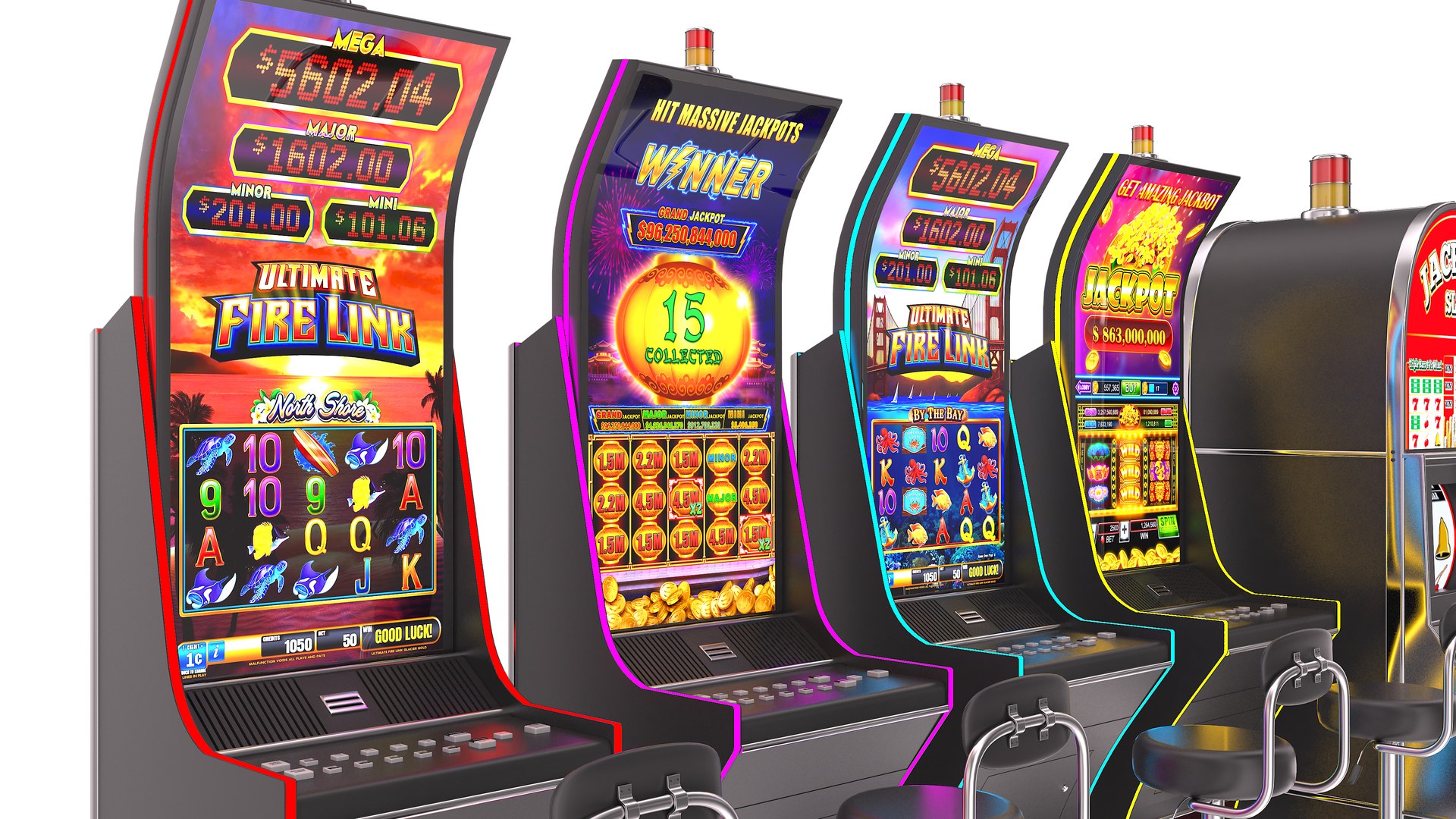
Slot machines are among the most popular casino games worldwide. Their flashing lights, immersive sounds, and promise of instant rewards create a powerful appeal. Over time, countless “winning strategies” have circulated among players—some passed down as insider secrets, others spread across online forums.
But do these strategies actually work? Or are they simply myths built around misunderstanding how slot machines function?
This article breaks down the facts behind common slot machine strategies and separates reality from fiction.
How Slot Machines Really Work
To understand whether strategies work, it’s essential to know how slot machines operate.
Random Number Generators (RNGs)
Modern slot machines rely on a Random Number Generator (RNG). This computer algorithm continuously generates numbers every millisecond—even when nobody is playing. The moment you press the spin button, the RNG selects a number that determines the outcome.
Key characteristics of RNG-based slots:
-
Every spin is independent
-
Previous outcomes do not influence future spins
-
There is no predictable cycle players can track
-
Results cannot be “due” or “overdue”
Because of this design, no external pattern-reading method can reliably predict results.
Return to Player (RTP)
Each slot game has a built-in Return to Player (RTP) percentage, typically ranging between 85% and 98%.
-
A 96% RTP means that, over millions of spins, the machine returns $96 for every $100 wagered.
-
RTP is calculated over long periods—not short sessions.
This means short-term results can vary dramatically.
Popular Slot Machine Strategies Examined
Let’s examine common strategies players believe in and whether they hold any real value.
1. Playing at “Hot” or “Cold” Machines
The belief: Machines that have paid out recently are “cold,” while machines that haven’t paid in a while are “due.”
Reality:
Since each spin is random and independent, the machine has no memory. A jackpot that hit five minutes ago has no effect on the next spin.
Verdict: Fiction
2. Timing the Spin Button
The belief: Pressing the spin button at the right moment improves outcomes.
Reality:
The RNG determines results instantly when the button is pressed. Timing has no influence over the internal algorithm.
Verdict: Fiction
3. Betting Maximum Coins Increases Odds
The belief: Betting max bet increases your chance of winning.
Reality:
In many modern slots:
-
Max betting does not change the probability of winning.
-
However, it may qualify you for larger jackpots or bonus features.
You’re not improving odds—you’re increasing potential payouts.
Verdict: Partially True (regarding jackpot eligibility)
4. Switching Machines After Losses
The belief: If a machine hasn’t paid out, switching increases chances.
Reality:
Since outcomes are independent, changing machines does not statistically improve your odds.
Verdict: Fiction
5. Using Player Cards Affects Results
The belief: Casinos tighten machines for players using loyalty cards.
Reality:
In regulated casinos, outcomes are controlled by certified software. Loyalty cards track rewards—not game outcomes.
Verdict: Fiction
Why Slot Myths Persist
Even when facts are clear, myths continue to thrive. Why?
Psychological Bias
Human brains are wired to detect patterns—even when none exist. This can lead to:
-
Gambler’s Fallacy: Believing a win is “due”
-
Confirmation Bias: Remembering wins that fit beliefs
-
Illusion of Control: Feeling influence over random outcomes
Near Miss Effect
Slot machines are designed to frequently display near-wins (e.g., two jackpot symbols and a third just above the payline). While emotionally powerful, these outcomes are still losses.
What Actually Improves Your Experience
While no strategy guarantees profits, certain practical habits can improve your overall experience.
Bankroll Management
-
Set a fixed gambling budget
-
Never chase losses
-
Divide your bankroll into session limits
Choose Higher RTP Games
If available, look for games with RTP of 96% or higher. While it won’t ensure winnings, it statistically reduces long-term losses.
Understand Volatility
Slots vary in volatility:
-
Low volatility: Smaller, frequent wins
-
High volatility: Larger but rarer payouts
Choose according to your risk tolerance.
Play for Entertainment
Slot machines are entertainment products—not investment tools. The only consistent “winning strategy” is viewing play as paid leisure.
Are There Any Real Winning Strategies?
In regulated environments, there is no legitimate method to consistently beat slot machines. Unlike skill-based games such as poker or blackjack, slots rely entirely on automated randomness.
The only practical “advantage” lies in:
-
Promotional bonuses
-
Cashback programs
-
Responsible bankroll control
Even then, profits are not guaranteed.
The Final Verdict: Fact or Fiction?
Most widely shared slot machine strategies are based on misunderstanding randomness.
Here’s the truth:
-
You cannot predict or influence outcomes.
-
There is no timing trick.
-
Machines are not “due.”
-
Short-term wins are random variance.
The belief in strategies often stems from emotional experiences, not mathematical reality.
Frequently Asked Questions (FAQ)
1. Do casinos control slot machines remotely during gameplay?
In regulated markets, casinos cannot manually alter results in real time. Slot software is certified and audited to ensure fairness.
2. Can you tell when a jackpot is about to hit?
No. Jackpot triggers are determined by RNG. There are no warning signs or cycles players can observe.
3. Are online slots different from physical casino slots?
Both use RNG systems. The primary difference is interface and regulation, not outcome predictability.
4. Does playing at certain times of day increase chances of winning?
No. Time of day does not influence slot performance.
5. Can previous players’ losses increase your chances?
No. Each spin is independent and unaffected by prior activity.
6. Is it possible to make a living playing slot machines?
Consistently earning income from slots is extremely unlikely due to the built-in house edge.
7. What is the safest way to approach slot machine gambling?
Treat it as entertainment, set strict spending limits, and never rely on it for financial gain.
