

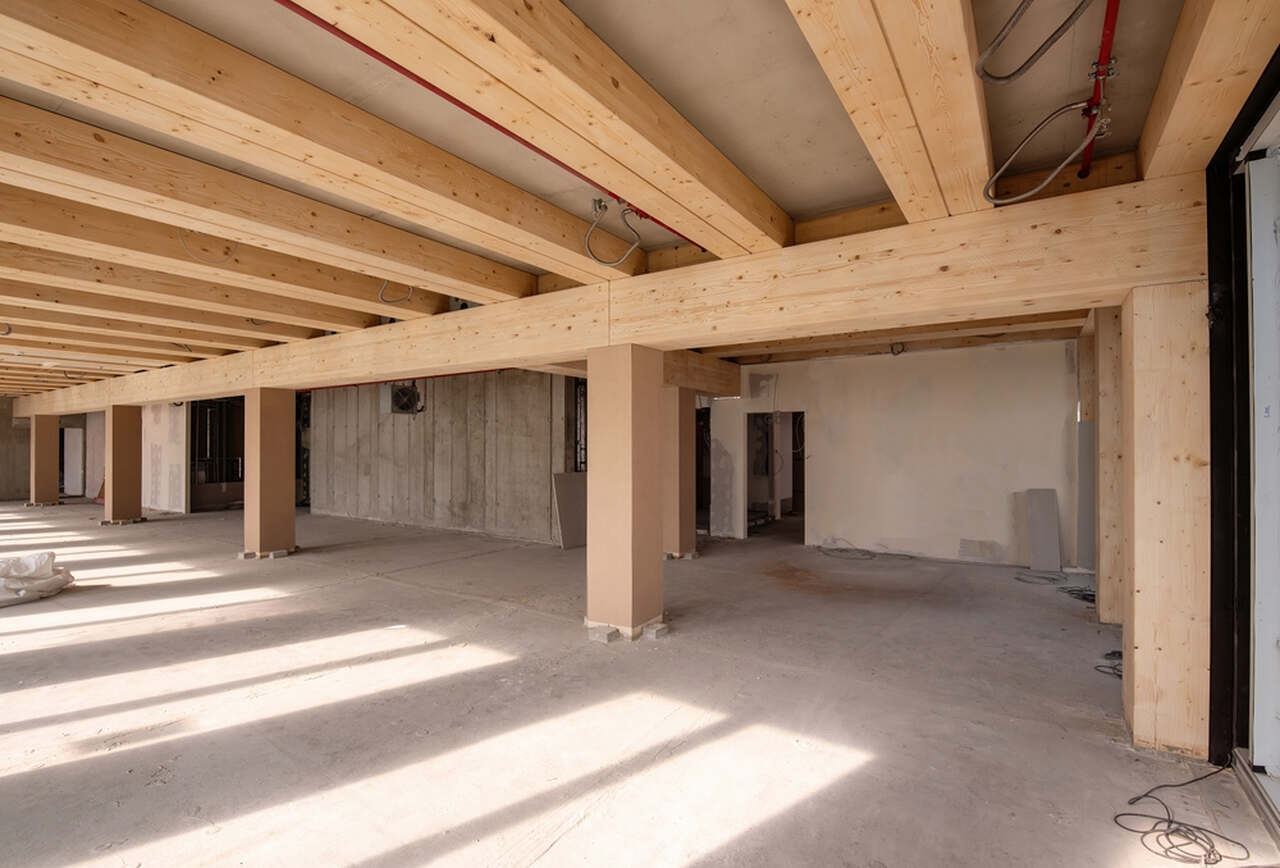
Building reinforcement addresses structural inadequacy that wasn’t present at construction or has developed through deterioration, alteration, or changed loading. It’s distinct from repair, which restores existing structure, and stabilisation, which prevents further movement.
Building reinforcement strengthens structures to carry loads they weren’t originally designed for or have lost capacity to support.
Common Reasons for Reinforcement
Changing the use increases the load beyond what was originally planned. Changing a residential floor to an office, adding heavy equipment to an industrial building or making storage space where there wasn’t any before all put more stress on the structure.
Age, water damage, or neglect can weaken a structure’s ability to hold weight. Reinforcement brings back lost strength without having to replace everything. When making changes, you have to reinforce the remaining structure to handle the redistributed loads after you take out load-bearing parts.
Changes to building codes sometimes mean that existing buildings have to meet modern standards when they are changed a lot. Reinforcement makes things compliant without having to tear them down and rebuild them.
Steel Frame Reinforcement
Adding steel beams or columns is the most common reinforcement method. Steel goalpost frames can support loads where walls were removed. Steel beams can strengthen weak floor joists or roof structures. Columns transfer loads to adequate foundations where existing walls are inadequate.
Steel reinforcement is relatively quick to install, highly predictable in performance, and adaptable to most situations. It’s visible unless boxed in or integrated into new architectural elements.
Concrete Strengthening
Existing concrete structures can be reinforced by jacketing with new reinforced concrete. Additional concrete with embedded steel reinforcement is cast around existing columns, beams, or walls, increasing their capacity.
For foundations, mass concrete or reinforced concrete can be added to increase bearing capacity. This is sometimes combined with underpinning to achieve both adequate depth and adequate strength.
Fibre Reinforced Polymer Strengthening
Modern reinforcement increasingly uses FRP, carbon fibre or glass fibre composites bonded to existing structural elements. FRP adds tensile strength without significant weight or thickness increase.
It’s particularly useful where access or space constraints make traditional steel or concrete reinforcement impractical. FRP is also used where minimal visual impact is required.
Masonry Reinforcement
Existing masonry walls can be reinforced using resin-bonded reinforcement bars installed in routed-out bed joints. This provides tensile strength to masonry that is inherently weak in tension.
For walls requiring significant strengthening, reinforced concrete or steel frames can be attached to the masonry, effectively turning unreinforced walls into reinforced wall panels within a frame.
Floor Strengthening
Timber floor joists weakened by age, rot, or beetle infestation can be reinforced by sistering, attaching new joists alongside existing ones. For more substantial strengthening, steel beams can be introduced beneath existing joists to carry the load.
Concrete floors can be overlaid with additional reinforced concrete topping, though this adds significant weight that existing structure must support.
Structural Engineer Involvement
All building reinforcement requires structural engineer design. Calculations determine what reinforcement is necessary to achieve required capacity. Drawings specify exactly how reinforcement is to be installed.
Building Control approval is required for structural reinforcement work. Engineer certification that works are complete as designed is typically required before Building Control will sign off.
Costs and Timescale
The cost of reinforcement changes a lot depending on what is being reinforced and why. Putting in a simple steel beam could cost between £2,000 and £5,000. Extensive structural reinforcement of a building can cost between £50,000 and £100,000 or more.
The time it takes depends on how hard it is and how easy it is to get to. It only takes a few days to put up a simple beam. Major structural reinforcement could take weeks or even months, especially if people are still living in the building while the work is being done.
Temporary Works
During reinforcement, temporary support often holds loads whilst permanent reinforcement is installed. Acrow props, scaffolding, or temporary steelwork prevents collapse whilst existing structure is modified or augmented.
Proper temporary works design is as important as permanent reinforcement. Inadequate temporary support has caused serious failures.
Specialist building reinforcement services in the UK offer engineered structural strengthening for homes, businesses and factories that need to be able to hold more weight or restore their structural strength after it has been damaged.
