

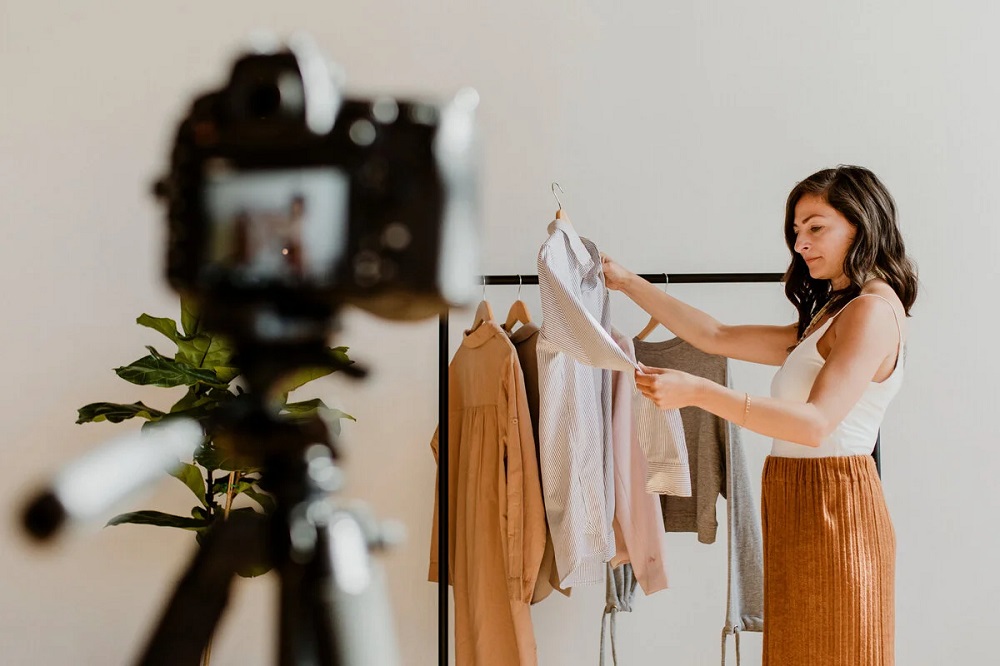
Fashion marketing has evolved from glossy magazine spreads and runway exclusives to real-time digital storytelling. At the center of this shift stands the fashion influencer—a creator who blends personal style, audience trust, and digital reach to shape buying behavior.
Influencers are no longer peripheral promoters; they are strategic partners in brand building, product launches, and cultural relevance.
Understanding Influencer Marketing in Fashion
Influencer marketing in fashion involves collaboration between brands and individuals who have cultivated a dedicated online following. These individuals communicate trends, styling ideas, and product recommendations through platforms such as Instagram, TikTok, and YouTube.
Unlike traditional advertising, influencer marketing relies on:
-
Authenticity
-
Personal connection
-
Visual storytelling
-
Two-way engagement
Fashion is inherently visual and expressive, making it particularly suited to influencer-led campaigns.
Why Influencers Matter in Fashion Marketing
1. They Humanize Brands
Fashion brands often risk appearing distant or aspirational to the point of being unattainable. Influencers bridge that gap. By integrating products into their everyday lives, they present clothing and accessories as wearable, relatable, and attainable.
A styled outfit post or “get ready with me” video transforms a product from a catalog item into a lived experience.
2. They Shape Trends in Real Time
Social platforms move faster than seasonal collections. Influencers accelerate trend cycles by showcasing emerging styles instantly. A single viral outfit can:
-
Spark global demand
-
Revive archived pieces
-
Introduce niche aesthetics into mainstream culture
Trend adoption today often begins on social feeds rather than runways.
3. They Drive Purchase Decisions
Studies consistently show that consumers—especially Gen Z and Millennials—trust peer recommendations more than traditional ads. Influencers operate within this trust economy.
When followers see repeated styling, honest reviews, and transparent partnerships, their purchase intent increases significantly.
4. They Enable Precise Targeting
Fashion brands use influencers to reach highly specific audiences. Whether targeting sustainable fashion enthusiasts, streetwear communities, or luxury buyers, influencer collaborations allow brands to access:
-
Defined demographics
-
Shared lifestyle interests
-
Cultural subgroups
-
Regional markets
This precision often yields higher engagement rates compared to mass advertising.
Types of Influencers in Fashion
Not all influencers operate at the same scale. Brands choose collaborators based on campaign goals, budget, and audience alignment.
Mega Influencers
-
Over 1 million followers
-
Broad visibility
-
Strong brand recognition
-
Higher cost partnerships
Ideal for global product launches or large-scale campaigns.
Macro Influencers
-
100,000–1 million followers
-
High reach with relatively strong engagement
-
Often specialize in a niche
Suitable for brand awareness initiatives.
Micro Influencers
-
10,000–100,000 followers
-
Strong community engagement
-
Perceived authenticity
Effective for conversion-focused campaigns and community building.
Nano Influencers
-
Under 10,000 followers
-
Highly personal connections
-
Often local or niche-based
Valuable for grassroots marketing and hyper-targeted efforts.
Influencer Content Formats That Convert
Fashion influencers employ multiple content formats to maintain engagement and drive results.
Outfit Styling Posts
A complete look inspires followers by showing how a piece fits into real wardrobes. These posts often generate saves and shares.
Try-On Hauls
Video-based hauls demonstrate fit, texture, and movement—reducing purchase uncertainty.
Behind-the-Scenes Content
Event appearances, brand visits, and fashion week coverage build brand prestige and exclusivity.
Tutorials and Styling Guides
Step-by-step styling advice encourages repeat engagement while positioning influencers as experts.
The Strategic Value for Fashion Brands
Influencer collaborations extend beyond social visibility. They influence multiple marketing objectives.
Brand Awareness
Exposure to new audiences increases discoverability, especially in saturated markets.
Social Proof
User-generated content and influencer endorsements signal credibility.
Content Creation
Brands often repurpose influencer content across websites, ads, and email marketing.
Market Feedback
Comments, polls, and engagement metrics provide real-time consumer insights.
The Rise of Authenticity and Transparency
Modern audiences are highly aware of sponsored content. Regulations now require influencers to disclose partnerships clearly.
However, disclosure does not weaken impact. In fact, transparency often strengthens credibility. Followers appreciate honesty when influencers:
-
Share genuine opinions
-
Highlight both pros and cons
-
Collaborate with brands that match their personal style
Authenticity is no longer optional; it is essential.
Influencers and the Democratization of Fashion
Influencers have diversified representation in fashion marketing. Digital platforms have amplified voices across:
-
Different body types
-
Cultural backgrounds
-
Gender identities
-
Personal aesthetics
This inclusivity has challenged traditional beauty standards and encouraged brands to expand their representation strategies.
Challenges in Influencer Fashion Marketing
While effective, influencer marketing presents complexities.
Oversaturation
Too many sponsored posts can reduce engagement and trust.
Fake Followers and Metrics
Brands must evaluate authenticity through engagement rates, audience demographics, and performance data.
Short Trend Cycles
Fast-moving trends can make campaigns feel outdated quickly.
ROI Measurement
Tracking conversions across platforms requires clear performance metrics and attribution models.
The Future of Influencer Marketing in Fashion
The landscape continues to evolve. Several shifts are shaping the next phase:
-
Long-term brand ambassadorships over one-off promotions
-
Integration of influencer-led capsule collections
-
Expansion into live shopping and social commerce
-
AI-assisted content personalization
Influencers are transitioning from promoters to collaborators, designers, and equity partners.
Conclusion
Influencers play a pivotal role in modern fashion marketing by combining reach, relatability, and storytelling. They accelerate trends, foster community engagement, and drive purchasing decisions in ways traditional advertising cannot replicate.
As digital ecosystems expand, successful fashion brands will continue prioritizing authentic influencer partnerships rooted in shared values and measurable impact.
Frequently Asked Questions (FAQs)
1. How do fashion brands choose the right influencer?
Brands evaluate audience demographics, engagement rate, content quality, brand alignment, and past collaboration performance before selecting influencers.
2. Is influencer marketing more effective than traditional advertising in fashion?
Influencer marketing often generates higher engagement and trust among younger audiences, though traditional advertising still supports brand prestige and large-scale visibility.
3. How is ROI measured in influencer campaigns?
ROI is tracked through metrics such as conversion rates, affiliate link performance, engagement rates, impressions, and brand lift studies.
4. What platforms are most effective for fashion influencers?
Instagram, TikTok, and YouTube dominate fashion influencer marketing due to their visual focus and strong community interaction features.
5. Do small influencers really impact sales?
Yes. Micro and nano influencers frequently achieve higher engagement rates and stronger purchase influence within niche communities.
6. How long should a fashion influencer campaign run?
Short-term campaigns can boost awareness, but long-term partnerships often build stronger credibility and sustained audience trust.
7. What role does storytelling play in influencer marketing?
Storytelling creates emotional connections. When influencers integrate fashion into personal narratives, audiences are more likely to remember and act on recommendations.
