

Hybrid cars have moved from niche innovation to mainstream choice. Across major cities and small towns alike, more drivers are choosing vehicles that combine a gasoline engine with an electric motor. This shift is not driven by a single factor. Instead, it reflects changing fuel prices, environmental awareness, government incentives, and rapid improvements in automotive engineering.
The result is a transportation option that balances efficiency, performance, and practicality.
What Is a Hybrid Car?
A hybrid vehicle uses two power sources:
-
A traditional internal combustion engine
-
An electric motor powered by a battery
These systems work together to optimize fuel efficiency and reduce emissions. In most hybrids, the battery recharges automatically through regenerative braking and the gasoline engine, so drivers do not need to plug the vehicle into an outlet.
There are three primary types of hybrids:
-
Full hybrids (HEVs) – Can run on electric power alone for short distances.
-
Mild hybrids (MHEVs) – Electric motor assists the engine but cannot power the car independently.
-
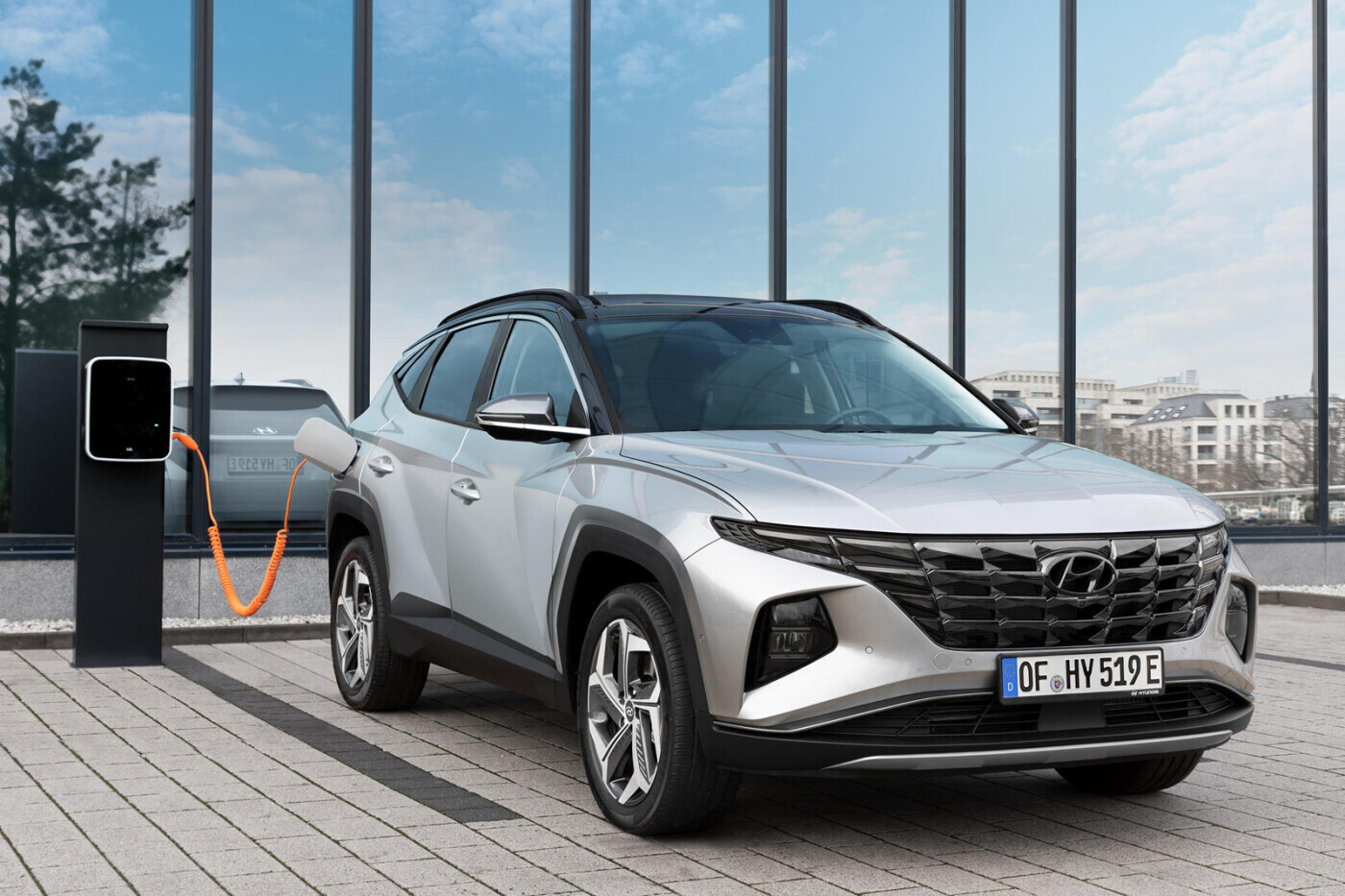
Plug-in hybrids (PHEVs) – Larger batteries that can be charged externally and drive longer distances on electricity.
Each type appeals to different driving habits and infrastructure availability.
Rising Fuel Costs and Better Efficiency
One of the strongest motivations behind hybrid adoption is fuel economy.
Hybrid cars consume significantly less fuel than traditional gasoline-only vehicles. In stop-and-go traffic, the electric motor can take over at low speeds, reducing fuel usage. Regenerative braking captures energy that would otherwise be lost and stores it in the battery.
For daily commuters and urban drivers, this translates to:
-
Lower monthly fuel expenses
-
Fewer trips to the gas station
-
Reduced exposure to volatile fuel prices
As fuel prices fluctuate globally, consumers increasingly value predictable and lower operating costs.
Environmental Awareness and Emission Reduction
Public concern about air quality and climate change has grown substantially. Hybrid cars produce lower tailpipe emissions compared to conventional vehicles. By relying partially on electric power, they burn less fuel and release fewer greenhouse gases.
Governments worldwide are also tightening emission regulations. Automakers respond by expanding hybrid options to meet environmental standards without forcing consumers to switch entirely to electric vehicles.
For many drivers, a hybrid feels like a practical compromise—cleaner than gasoline, more flexible than fully electric.
Government Incentives and Policy Support
Many countries encourage hybrid adoption through:
-
Tax credits or rebates
-
Reduced registration fees
-
Access to carpool lanes
-
Lower company car taxes
These incentives lower the initial purchase cost and make hybrids financially attractive. In regions where fully electric charging infrastructure is still developing, hybrids serve as a transitional technology supported by public policy.
Advances in Automotive Technology
Hybrid systems today are far more refined than early models. Improvements include:
-
Longer battery life
-
Smoother transitions between electric and gasoline power
-
Improved acceleration and performance
-
Enhanced onboard energy monitoring systems
Modern hybrids no longer feel experimental. They deliver a driving experience comparable to traditional vehicles, often with quieter operation and instant torque from the electric motor.
Battery technology, in particular, has improved durability and reliability, easing consumer concerns about long-term maintenance.
Expanding Model Availability
Automakers now offer hybrid versions across multiple segments:
-
Compact cars
-
Sedans
-
SUVs
-
Luxury vehicles
-
Pickup trucks
This wider availability allows buyers to prioritize body style, space, and features without sacrificing efficiency. As production scales up, costs gradually decrease, making hybrids more accessible to middle-income consumers.
Lower Total Cost of Ownership
While hybrids may cost more upfront than conventional cars, the long-term financial picture often favors them.
Savings can come from:
-
Reduced fuel consumption
-
Lower maintenance on brake systems (due to regenerative braking)
-
Higher resale value in many markets
For fleet operators and ride-sharing drivers, these savings accumulate quickly, accelerating adoption in commercial sectors.
Urbanization and Traffic Patterns
As cities become denser, traffic congestion increases. Hybrids perform especially well in urban conditions where frequent braking and low-speed driving allow the electric motor to operate more often.
City-focused driving patterns amplify the advantages of:
-
Quiet electric operation
-
Improved efficiency in stop-and-go traffic
-
Reduced emissions in crowded environments
For urban residents, hybrids align naturally with daily transportation needs.
Bridging the Gap to Full Electrification
Fully electric vehicles (EVs) are growing in popularity, but concerns remain about:
-
Charging infrastructure
-
Range anxiety
-
Charging times
-
Battery replacement costs
Hybrids address many of these concerns. Drivers benefit from electric efficiency without depending entirely on charging stations. This flexibility makes hybrids an appealing stepping stone toward broader electrification.
For many consumers, a hybrid represents a balanced transition rather than a radical shift.
Consumer Confidence and Brand Reputation
As more drivers share positive experiences, hybrid technology gains social credibility. Reliability ratings have improved, and long-term durability studies show strong performance across major markets.
Word-of-mouth, combined with visible environmental benefits, reinforces hybrid adoption. What once felt experimental is now widely perceived as dependable and practical.
Conclusion
Hybrid cars are gaining popularity worldwide because they address multiple modern concerns at once. They lower fuel costs, reduce emissions, benefit from government support, and adapt well to urban driving conditions. Technological improvements and expanded model options have eliminated many early drawbacks.
In a world balancing environmental responsibility with practical transportation needs, hybrids offer a solution that feels both achievable and sustainable.
Frequently Asked Questions (FAQ)
1. How long do hybrid batteries typically last?
Most hybrid batteries are designed to last between 8 to 15 years, depending on usage and climate conditions. Many manufacturers provide extended warranties specifically for hybrid battery systems.
2. Are hybrid cars more expensive to maintain?
Maintenance costs are generally comparable to conventional vehicles. In some cases, brake systems last longer due to regenerative braking. Battery replacement can be costly, but it is relatively rare within the vehicle’s early lifespan.
3. Do hybrid cars require special fuel?
No. Most hybrids run on regular gasoline, similar to traditional vehicles.
4. Can hybrids drive on electricity alone?
Full hybrids can operate on electric power for short distances at low speeds. Plug-in hybrids can travel longer electric-only distances before switching to gasoline.
5. Are hybrids suitable for highway driving?
Yes. Hybrids perform efficiently on highways, although fuel savings are typically more noticeable in city driving conditions.
6. Do hybrids lose performance compared to gasoline cars?
Modern hybrids offer strong acceleration due to instant electric torque. In many cases, performance is equal to or better than comparable gasoline models.
7. Are hybrid vehicles safer than conventional cars?
Safety depends on the specific model, but hybrids must meet the same safety standards as traditional vehicles. Many include advanced driver-assistance systems as standard features.
