

Automation has shifted from being a futuristic concept to a practical necessity across industries. From manufacturing floors to digital offices, organizations rely on automated systems to streamline operations, reduce human error, and enhance productivity. Rather than replacing work entirely, automation is redefining how tasks are performed and how value is created.
This transformation affects not only business efficiency but also workforce expectations, skills development, and long-term organizational strategy.
Understanding Workplace Automation
Workplace automation refers to the use of technology—such as robotics, artificial intelligence (AI), and software systems—to perform tasks with minimal human intervention. It ranges from simple rule-based systems to advanced machine learning models that analyze complex data sets.
Automation in modern workplaces typically falls into three categories:
-
Robotic Process Automation (RPA): Software bots that handle repetitive, rule-based digital tasks.
-
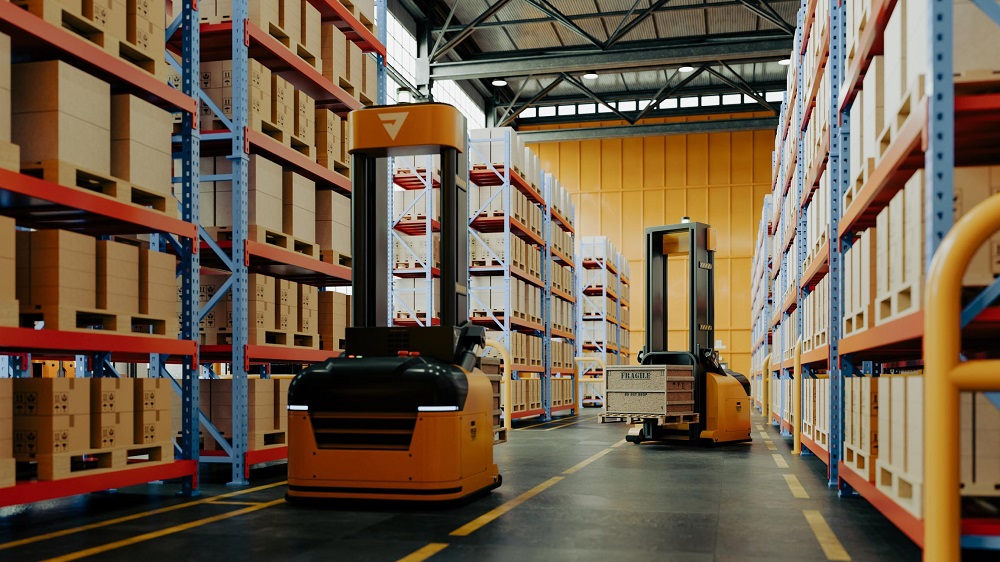
Physical Robotics: Machines that perform mechanical tasks in industries like manufacturing and logistics.
-
Cognitive Automation: AI-driven systems capable of decision-making, pattern recognition, and predictive analysis.
Each category addresses different operational challenges but shares a common goal: improving efficiency while maintaining accuracy.
Why Automation Is Accelerating
Several factors are driving the rapid adoption of automation technologies:
1. Increased Operational Efficiency
Automated systems operate continuously without fatigue, reducing downtime and speeding up workflows. Tasks that once took hours can now be completed in minutes.
2. Cost Optimization
Although initial investments may be significant, automation often lowers long-term operational expenses by minimizing manual labor, reducing errors, and preventing costly rework.
3. Data-Driven Decision Making
Modern tools collect and analyze real-time data, enabling leaders to make informed decisions based on performance metrics rather than assumptions.
4. Workforce Adaptation
As remote and hybrid work models expand, digital automation tools help maintain productivity across distributed teams.
Key Areas Where Automation Is Transforming Work
Automation influences nearly every department within an organization. Its impact varies depending on industry and business model.
Manufacturing and Production
Factories increasingly use robotic arms and smart machinery to assemble products, manage inventory, and conduct quality checks. These systems:
-
Improve consistency in output
-
Reduce workplace injuries
-
Enable precision in complex processes
Administrative and Back-Office Operations
Digital automation tools manage tasks such as:
-
Payroll processing
-
Invoice generation
-
Data entry
-
Customer onboarding
By removing repetitive duties, employees can focus on strategic responsibilities.
Customer Service
Chatbots and AI-driven systems handle high volumes of customer inquiries, providing instant responses and routing complex issues to human representatives.
Logistics and Supply Chain
Automation systems track shipments, optimize delivery routes, and manage warehouse inventory with minimal manual oversight. This improves accuracy and shortens delivery timelines.
Benefits of Automation in Modern Workplaces
When implemented thoughtfully, automation provides measurable advantages:
-
Higher Productivity: Employees spend less time on repetitive tasks.
-
Improved Accuracy: Reduced human error enhances quality.
-
Enhanced Scalability: Systems can manage increasing workloads without proportional staffing growth.
-
Better Compliance: Automated processes ensure consistent adherence to regulations.
-
Employee Satisfaction: Workers can focus on creative, analytical, or interpersonal tasks rather than monotonous routines.
These benefits contribute directly to competitive advantage in fast-moving markets.
Challenges and Risks
Despite its advantages, automation presents legitimate concerns.
Job Displacement
Certain routine roles may decline as technology assumes repetitive responsibilities. However, new roles often emerge in system management, data analysis, and technical oversight.
Skill Gaps
Organizations must invest in upskilling and reskilling programs to prepare employees for technology-driven environments.
Implementation Costs
Upfront expenses for infrastructure, integration, and training can be substantial, particularly for small businesses.
Cybersecurity Concerns
Increased reliance on digital systems expands exposure to cyber threats. Strong security protocols and monitoring systems are essential.
The Human-Automation Balance
Successful organizations treat automation as a tool—not a replacement for human expertise. Machines excel at processing data and performing repetitive tasks, while humans contribute creativity, empathy, and strategic judgment.
The most effective workplaces blend both strengths by:
-
Designing workflows that combine human oversight with automated efficiency
-
Encouraging continuous learning
-
Aligning automation strategies with long-term business goals
Rather than eliminating roles, automation often reshapes them, emphasizing higher-value contributions.
Future Outlook
The future of automation will likely include deeper integration of artificial intelligence, predictive analytics, and collaborative robotics. As technology becomes more accessible, even small and mid-sized businesses will adopt advanced automation solutions.
Organizations that adapt early tend to build stronger operational resilience and greater innovation capacity. The focus will increasingly shift from whether to automate to how automation can be implemented responsibly and ethically.
Frequently Asked Questions (FAQ)
1. How does automation affect employee morale?
When managed transparently and paired with training opportunities, automation can improve morale by eliminating repetitive tasks and enabling employees to engage in more meaningful work.
2. Is automation suitable for small businesses?
Yes. Many scalable and cloud-based solutions allow small organizations to automate processes without heavy infrastructure investments.
3. What industries benefit the most from automation?
Manufacturing, logistics, healthcare, finance, and retail have seen significant improvements in efficiency and accuracy through automation technologies.
4. How long does it take to implement workplace automation?
Implementation timelines vary based on complexity. Basic software automation may take weeks, while enterprise-wide systems can require months of integration and testing.
5. Can automation improve workplace safety?
Yes. In physically demanding or hazardous environments, automated machinery reduces human exposure to risk.
6. What skills are most valuable in an automated workplace?
Critical thinking, data analysis, digital literacy, adaptability, and problem-solving are increasingly important.
7. Does automation eliminate the need for human supervision?
No. Even advanced systems require monitoring, maintenance, and strategic oversight to ensure optimal performance and ethical operation.
